
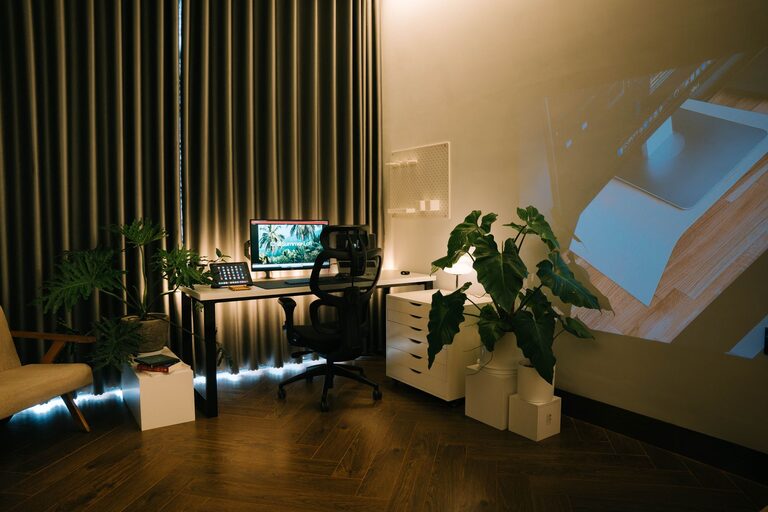
Creating a relaxing home workspace is essential for maintaining focus and reducing stress, especially when working remotely. A well-designed space not only improves productivity but also promotes a balanced work-life experience. Here’s how you can transform any area in your home into a peaceful and efficient workspace.
Choose the Right Location
Start by selecting a quiet area with minimal distractions. Ideally, this space should be separate from high-traffic zones like the kitchen or living room. If space is limited, consider using a corner of a bedroom or a nook near a window for natural light.
Optimize Natural Light and Lighting
Natural light plays a big role in creating a calming atmosphere. Position your desk near a window to take advantage of daylight, which can improve mood and alertness. For evenings or cloudy days, use soft, warm lighting rather than harsh overhead lights to reduce eye strain and create a cozy environment.
Invest in Comfortable Furniture
Ergonomic furniture promotes comfort and supports good posture, which is key for long work sessions. Choose a chair with adjustable height and lumbar support. A desk at the right height helps prevent slouching. If possible, try a sit-stand desk to change positions throughout the day.
Keep Your Workspace Organized
Clutter can increase stress and reduce productivity. Use organizers, trays, or drawers to keep supplies out of sight but within reach. A clean desk with only essential items helps maintain focus. Regularly declutter your workspace to keep it inviting and orderly.
Personalize Your Space
Add elements that make you feel calm and inspired. This could be a small plant, artwork, or a photo that brings positivity. Keep decorations simple to avoid distractions. Plants, in particular, improve air quality and add a touch of nature, which is soothing.
Incorporate Soothing Colors
Colors influence mood and energy. Soft, muted tones like blue, green, or beige promote relaxation and focus. Avoid overly bright or intense colors that may be distracting. You can introduce color through wall paint, furniture, or accessories like cushions and desk mats.
Manage Noise Levels
If noise is a problem, consider soundproofing options like rugs, curtains, or acoustic panels. Noise-canceling headphones are also helpful for blocking out distractions. Playing gentle background music or white noise can enhance concentration.
Add Functional Storage Solutions
Keep important documents and supplies organized with shelves, filing cabinets, or wall-mounted storage. Vertical storage saves floor space and keeps items accessible. Label storage containers to quickly find what you need, reducing time wasted searching.
Set Boundaries and Routines
To maintain a relaxing workspace, set clear boundaries between work and personal time. Use a dedicated work area to mentally separate tasks. Establish routines like starting your day with a few minutes of tidying or stretching to create a positive work habit.
Enhance Air Quality and Comfort
Good ventilation and fresh air improve concentration. Open windows when weather permits or use an air purifier. Maintain a comfortable room temperature and consider a small fan or heater if needed.
Use Technology Mindfully
Choose technology that supports your work without creating clutter or distractions. Wireless devices reduce cable mess. Use apps to block distracting websites during work hours. Keep your computer desktop organized and regularly back up your data.
Make Time for Breaks
A relaxing workspace is not just about the physical setup but also about how you use it. Schedule regular breaks to stretch, hydrate, or step outside. Breaks help clear your mind and prevent burnout.
—
By thoughtfully designing your home workspace with these tips, you’ll create a calming environment that supports productivity and well-being. Remember, the goal is to build a space where you feel comfortable, focused, and motivated every day.
